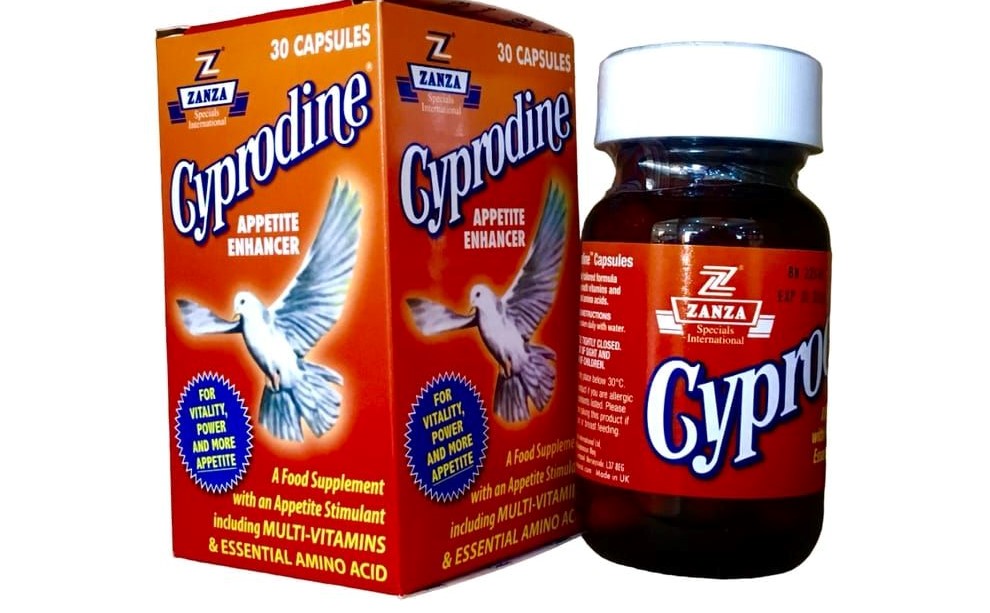
Cyprodine Capsule
Cyprodine Capsule
Cyprodine Is A Potent Medication Containing Cyproheptadine, A First-generation Antihistamine With Anti-serotonergic Properties. This Dual Mechanism Of Action Allows It To Effective...
Cyprodine Is A Potent Medication Containing Cyproheptadine, A First-generation Antihistamine With Anti-serotonergic Properties. This Dual Mechanism Of...
Brand: Brand
₦19,200.00
In Stock
Same day delivery available
Package Sizes:

90 - Day Buyer Protection
Money back guarantee

100% Quality Products
Buy top standard

Sanitized & Packaged Safely
Choose for contactless delivery
About this item
Cyprodine works by blocking the effects of two key natural chemical messengers in the body: histamine (released during allergic reactions) and serotonin (a chemical messenger that regulates appetite in the brain). Its antihistaminic properties provide relief from allergic symptoms, while its antiserotonergic activity in the hypothalamus (the appetite control center) makes it an effective appetite stimulant and promoter of weight gain in underweight individuals.
Dosage of Cyprodine
This is often a Prescription-Only Medicine (POM). Dosage must be individualized according to the needs and response of the patient.
- Adults (Allergy Relief): Typical initial dose is 4 mg (one tablet or 10 ml syrup) taken three times a day.
- Adults (Appetite Stimulation): Dosages vary, typically starting at 4 mg once daily and potentially increasing under medical supervision.
- Children (2–14 years): Dosage is usually calculated by body weight and indication. Do NOT give to children under 2 years of age.
- Maximum Daily Dose: Do not exceed 0.5 mg/kg body weight daily for children, or 32 mg daily for adults (for allergy).
Proper Administration
- Administration: Take orally. Tablets should be swallowed whole with water. Syrup should be measured using a dosing syringe or medicine spoon (not a household spoon).
- Timing: Can be taken with or without food. Taking it with food may minimize gastrointestinal side effects.
- Drowsiness: Because of the strong sedative effect, initial doses are often taken at bedtime.
Duration: Use the lowest effective dose for the shortest period necessary.
Contraindications of Cyprodine
- Age Restriction: Do NOT give to children younger than 2 years of age.
- Known Allergies: Do NOT use if you have a known allergy to Cyproheptadine or any other first-generation antihistamine.
- Specific Health Issues: Do NOT use if you have narrow-angle glaucoma, a stomach ulcer, pyloroduodenal obstruction, an enlarged prostate (or other urination problems), or are experiencing an asthma attack.
- Drug Interactions: Do NOT use if you have taken a Monoamine Oxidase Inhibitor (MAOI) in the last 14 days (e.g., Phenelzine, Selegiline).
Side Effects of Cyprodine
- Common Side Effects (Expected): Drowsiness, sedation, dizziness, dry mouth, blurred vision, and weight gain (due to increased appetite).
- Serious but Rare Side Effects (Medical Attention Needed): Signs of severe anticholinergic effects (severe confusion, hallucinations, inability to urinate), severe allergic reaction, or paradoxical excitement (especially in young children).
Precautions and Warnings of Cyprodine
- CNS Depression: Use caution with all other Central Nervous System (CNS) depressants, including sedatives, hypnotics, and antianxiety agents, as effects are additive.
- Elderly Patients: Use with caution, as older adults are more susceptible to the anticholinergic side effects (dizziness, confusion, dry mouth).
- Driving Risk: The effects on mental alertness can be significant and dangerous.
- Breastfeeding: Generally advised not to use while breastfeeding, as antihistamines may pass into breast milk and can cause sedation in the infant or reduce milk supply.
- Form: Oral Tablet (e.g., 4 mg) or Oral Syrup (e.g., 2 mg/5 ml)
- Active Ingredient: Cyproheptadine Hydrochloride
About this item
Cyprodine works by blocking the effects of two key natural chemical messengers in the body: histamine (released during allergic reactions) and serotonin (a chemical messenger that regulates appetite in the brain). Its antihistaminic properties provide relief from allergic symptoms, while its antiserotonergic activity in the hypothalamus (the appetite control center) makes it an effective appetite stimulant and promoter of weight gain in underweight individuals.
Dosage of Cyprodine
This is often a Prescription-Only Medicine (POM). Dosage must be individualized according to the needs and response of the patient.
- Adults (Allergy Relief): Typical initial dose is 4 mg (one tablet or 10 ml syrup) taken three times a day.
- Adults (Appetite Stimulation): Dosages vary, typically starting at 4 mg once daily and potentially increasing under medical supervision.
- Children (2–14 years): Dosage is usually calculated by body weight and indication. Do NOT give to children under 2 years of age.
- Maximum Daily Dose: Do not exceed 0.5 mg/kg body weight daily for children, or 32 mg daily for adults (for allergy).
Proper Administration
- Administration: Take orally. Tablets should be swallowed whole with water. Syrup should be measured using a dosing syringe or medicine spoon (not a household spoon).
- Timing: Can be taken with or without food. Taking it with food may minimize gastrointestinal side effects.
- Drowsiness: Because of the strong sedative effect, initial doses are often taken at bedtime.
Duration: Use the lowest effective dose for the shortest period necessary.
Contraindications of Cyprodine
- Age Restriction: Do NOT give to children younger than 2 years of age.
- Known Allergies: Do NOT use if you have a known allergy to Cyproheptadine or any other first-generation antihistamine.
- Specific Health Issues: Do NOT use if you have narrow-angle glaucoma, a stomach ulcer, pyloroduodenal obstruction, an enlarged prostate (or other urination problems), or are experiencing an asthma attack.
- Drug Interactions: Do NOT use if you have taken a Monoamine Oxidase Inhibitor (MAOI) in the last 14 days (e.g., Phenelzine, Selegiline).
Side Effects of Cyprodine
- Common Side Effects (Expected): Drowsiness, sedation, dizziness, dry mouth, blurred vision, and weight gain (due to increased appetite).
- Serious but Rare Side Effects (Medical Attention Needed): Signs of severe anticholinergic effects (severe confusion, hallucinations, inability to urinate), severe allergic reaction, or paradoxical excitement (especially in young children).
Precautions and Warnings of Cyprodine
- CNS Depression: Use caution with all other Central Nervous System (CNS) depressants, including sedatives, hypnotics, and antianxiety agents, as effects are additive.
- Elderly Patients: Use with caution, as older adults are more susceptible to the anticholinergic side effects (dizziness, confusion, dry mouth).
- Driving Risk: The effects on mental alertness can be significant and dangerous.
- Breastfeeding: Generally advised not to use while breastfeeding, as antihistamines may pass into breast milk and can cause sedation in the infant or reduce milk supply.
- Form: Oral Tablet (e.g., 4 mg) or Oral Syrup (e.g., 2 mg/5 ml)
- Active Ingredient: Cyproheptadine Hydrochloride
Didn’t find your meds. Don’t worry. Chat us on whatsapp
Chat with a PharmacistProducts related to this item
See all







Best Selling Products

Arrives 1-4 hrs nationwide
Postinor 2 Emergency Cont...
Postinor-2, Commonly Known As The Morning-after Pill, Is Used Only As ...
Arrives 1-4 hrs nationwide
Postpill
POSTPILL Is An Essential Emergency Contraceptive Pill (often Called Th...

₦19,200.00