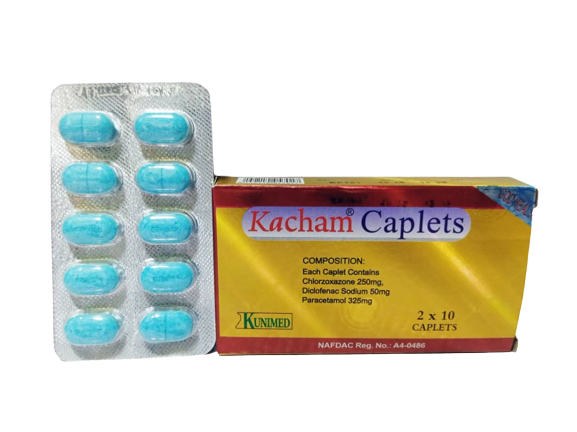
Kacham Tablets/Caplets
Kacham Tablets/Caplets
Kacham Is A High-potency, Multi-action Analgesic And Muscle Relaxant Designed To Manage Severe Pain Associated With Musculoskeletal Disorders. By Combining A Non-steroidal Anti-inf...
Kacham Is A High-potency, Multi-action Analgesic And Muscle Relaxant Designed To Manage Severe Pain Associated With Musculoskeletal Disorders. By Comb...
Brand: Brand
Ingredient: Diclofenac
₦1,800.00
In Stock
Same day delivery available
Dosages:
Package Sizes:

90 - Day Buyer Protection
Money back guarantee

100% Quality Products
Buy top standard

Sanitized & Packaged Safely
Choose for contactless delivery
About this item
Kacham (often available as caplets or tablets) is formulated for patients suffering from acute painful musculoskeletal conditions. While standard painkillers only mask the sensation of pain, Kacham addresses the physical muscle tension (spasm) and the underlying inflammation that often causes the pain to persist. It acts centrally on the nervous system to relax muscles and peripherally to block pain signals.
Dosage of Kacham This is a Prescription-Only Medicine (POM).
- Adults (15 years and above): Typically 1 to 2 tablets, two to three times daily.
- Children (5 to 15 years): Usually 1 tablet, two to three times daily, only as directed by a physician.
- Duration: Should be used for the shortest duration possible to manage symptoms.
Proper Administration
- With Food: Crucial: Always take Kacham after a meal or with milk. Taking it on an empty stomach significantly increases the risk of gastric irritation or ulcers.
- Swallow Whole: Do not crush or chew the caplets, as this can affect the absorption of the Diclofenac component.
- Hydration: Drink a full glass of water with each dose.
How to Store and Dispose of Kacham
- Storage: Store in a cool, dry place below 30°C, away from direct sunlight and moisture.
- Disposal: Keep out of reach of children. Return unused medication to your pharmacist.
Quick Tips for Kacham
- Avoid Alcohol: Alcohol can increase the sedative effects of Chlorzoxazone and the risk of stomach bleeding from Diclofenac.
- Watch for Drowsiness: Because it contains a muscle relaxant, Kacham can make you feel sleepy or dizzy. Avoid driving until you know how it affects you.
- The "NSAID" Rule: Do not take Kacham with other NSAIDs (like Ibuprofen or Aspirin) as this increases the risk of side effects.
Safety and Precautions
Contraindications of Kacham
- Peptic Ulcers: Do not use if you have active stomach ulcers or a history of gastrointestinal bleeding.
- Asthma: Avoid if you have "Aspirin-sensitive asthma" or have experienced rashes/wheezing after taking NSAIDs.
- Kidney/Liver Disease: Use with extreme caution in patients with impaired organ function.
- Heart Surgery: Do not use immediately before or after heart bypass surgery (CABG).
Side Effects of Kacham
- Common: Drowsiness, dizziness, nausea, or heartburn.
- Less Common: Discoloration of urine (Chlorzoxazone can sometimes turn urine orange or purplish-red; this is harmless).
- Serious: Black/tarry stools (sign of stomach bleeding), yellowing of eyes (jaundice), or severe skin rashes.
- Action: If you experience severe abdominal pain or difficulty breathing, stop use immediately and seek medical attention.
Precautions and Warnings
- Cardiovascular Risk: NSAIDs like Diclofenac may increase the risk of heart attack or stroke, especially with long-term use.
- Pregnancy: Not recommended, especially during the last three months of pregnancy, as it may harm the unborn baby.
- Pack Size: Typically 10 or 20 tablets per pack.
- Manufacturer: Kunimed Pharmachem Ltd.
- Form: Oral Caplet/Tablet.
- Active Ingredients: Chlorzoxazone, Diclofenac Sodium, Paracetamol.
About this item
Kacham (often available as caplets or tablets) is formulated for patients suffering from acute painful musculoskeletal conditions. While standard painkillers only mask the sensation of pain, Kacham addresses the physical muscle tension (spasm) and the underlying inflammation that often causes the pain to persist. It acts centrally on the nervous system to relax muscles and peripherally to block pain signals.
Dosage of Kacham This is a Prescription-Only Medicine (POM).
- Adults (15 years and above): Typically 1 to 2 tablets, two to three times daily.
- Children (5 to 15 years): Usually 1 tablet, two to three times daily, only as directed by a physician.
- Duration: Should be used for the shortest duration possible to manage symptoms.
Proper Administration
- With Food: Crucial: Always take Kacham after a meal or with milk. Taking it on an empty stomach significantly increases the risk of gastric irritation or ulcers.
- Swallow Whole: Do not crush or chew the caplets, as this can affect the absorption of the Diclofenac component.
- Hydration: Drink a full glass of water with each dose.
How to Store and Dispose of Kacham
- Storage: Store in a cool, dry place below 30°C, away from direct sunlight and moisture.
- Disposal: Keep out of reach of children. Return unused medication to your pharmacist.
Quick Tips for Kacham
- Avoid Alcohol: Alcohol can increase the sedative effects of Chlorzoxazone and the risk of stomach bleeding from Diclofenac.
- Watch for Drowsiness: Because it contains a muscle relaxant, Kacham can make you feel sleepy or dizzy. Avoid driving until you know how it affects you.
- The "NSAID" Rule: Do not take Kacham with other NSAIDs (like Ibuprofen or Aspirin) as this increases the risk of side effects.
Safety and Precautions
Contraindications of Kacham
- Peptic Ulcers: Do not use if you have active stomach ulcers or a history of gastrointestinal bleeding.
- Asthma: Avoid if you have "Aspirin-sensitive asthma" or have experienced rashes/wheezing after taking NSAIDs.
- Kidney/Liver Disease: Use with extreme caution in patients with impaired organ function.
- Heart Surgery: Do not use immediately before or after heart bypass surgery (CABG).
Side Effects of Kacham
- Common: Drowsiness, dizziness, nausea, or heartburn.
- Less Common: Discoloration of urine (Chlorzoxazone can sometimes turn urine orange or purplish-red; this is harmless).
- Serious: Black/tarry stools (sign of stomach bleeding), yellowing of eyes (jaundice), or severe skin rashes.
- Action: If you experience severe abdominal pain or difficulty breathing, stop use immediately and seek medical attention.
Precautions and Warnings
- Cardiovascular Risk: NSAIDs like Diclofenac may increase the risk of heart attack or stroke, especially with long-term use.
- Pregnancy: Not recommended, especially during the last three months of pregnancy, as it may harm the unborn baby.
- Pack Size: Typically 10 or 20 tablets per pack.
- Manufacturer: Kunimed Pharmachem Ltd.
- Form: Oral Caplet/Tablet.
- Active Ingredients: Chlorzoxazone, Diclofenac Sodium, Paracetamol.
Didn’t find your meds. Don’t worry. Chat us on whatsapp
Chat with a PharmacistProducts related to this item
See all


Arrives 1-4 hrs nationwide
Emzor Paracetamol Syrup
Emzor Paracetamol Syrup Is Used To Relieve Mild To Moderate Pain From ...



Best Selling Products

Arrives 1-4 hrs nationwide
Postinor 2 Emergency Cont...
Postinor-2, Commonly Known As The Morning-after Pill, Is Used Only As ...
Arrives 1-4 hrs nationwide
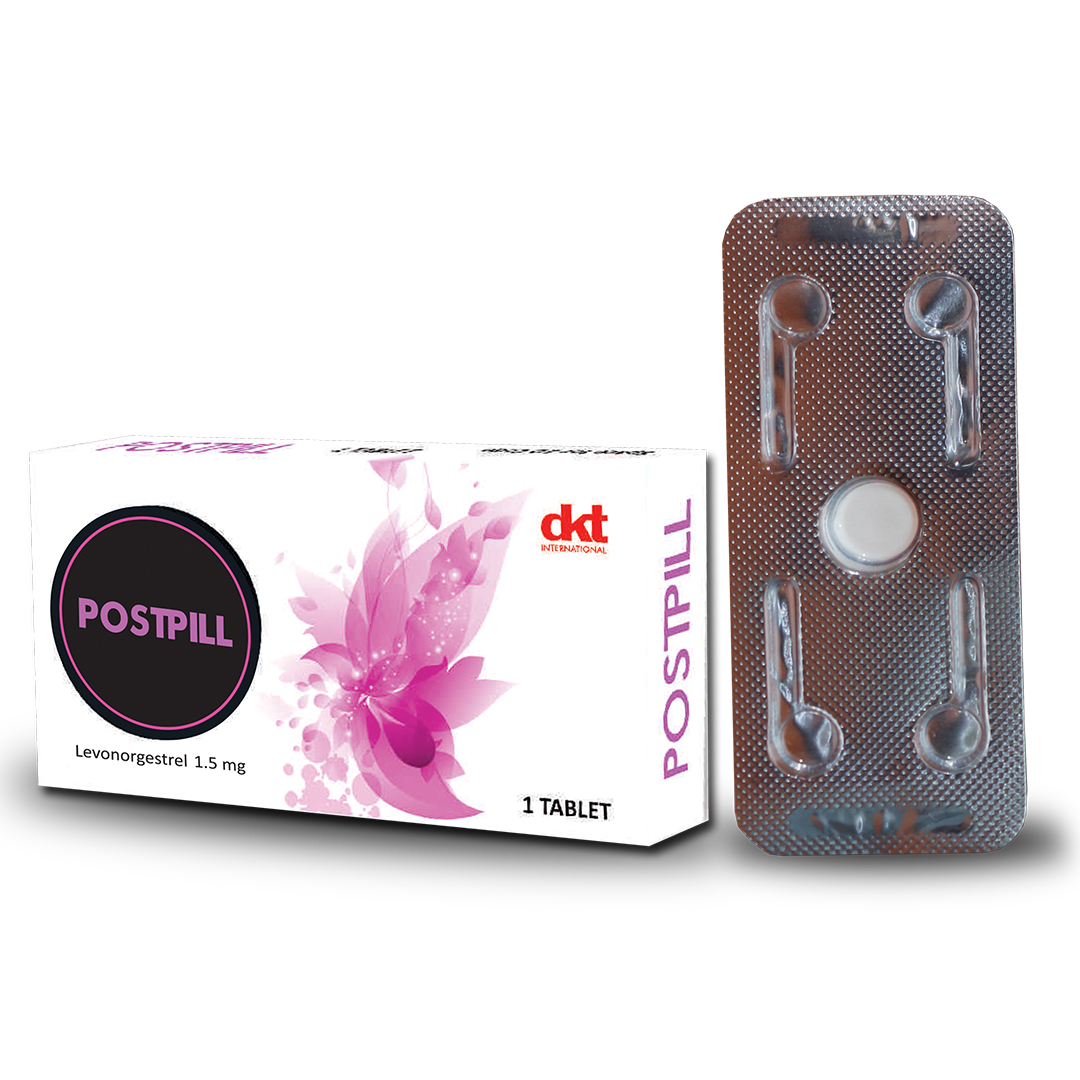
Postpill
POSTPILL Is An Essential Emergency Contraceptive Pill (often Called Th...

₦1,800.00